
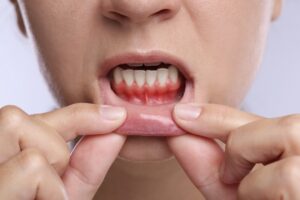
For severe gum disease, a Ventura dentist starts with a full periodontal exam and X-rays, then cleans bacteria and hardened deposits from below the gumline through scaling and root planing. Antibiotic microspheres or laser therapy may be added in the deepest pockets. If those pockets still do not close, gum surgery or grafting is considered, followed by periodontal maintenance visits on a tighter schedule.
Severe gum disease rarely announces itself with one dramatic symptom. It builds quietly, and by the time the gums pull away from the teeth, the treatment plan looks very different from a routine cleaning.
Knowing the sequence ahead of time takes a lot of the fear out of that first appointment. It also helps you ask better questions about what each stage is meant to do.
At Avra Dental, we walk Ventura patients through the full periodontal pathway before any instrument comes out. Contact us today to have your gums measured and charted properly.
How Dentists Decide That Gum Disease Has Become Severe
Severity is measured tooth by tooth with a small probe that records the depth of the pocket between the gum and the root, not judged by appearance alone. Unlike gingivitis, which stays in the gum tissue, periodontitis has already reached the bone that holds the tooth.
Healthy pockets usually measure one to three millimeters. Once readings climb past five or six millimeters, with bleeding on probing and visible bone loss on the X-ray, the case is generally called advanced or severe periodontitis. Recession, tooth mobility, and shifting bite contacts push the reading the same way, and the American Academy of Periodontology staging and grading framework sorts cases by support lost and apparent rate of progression.
Gum disease at this stage is common. National survey data collected between 2009 and 2012 by the Centers for Disease Control and Prevention (CDC) found that roughly 46 percent of American adults aged 30 and over had periodontitis, with close to 9 percent of that age group in the severe range, and about 64 percent of adults 65 and older had moderate or severe disease. Those remain the most widely cited national figures, and they take some of the shame out of the diagnosis.
Step 1: A Full Periodontal Exam and a Set of X-Rays
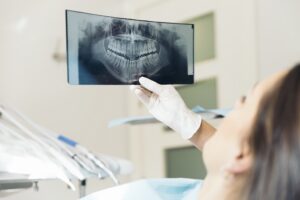 A full periodontal exam charts the whole mouth before anything is treated. Six measurements are taken around every tooth, along with notes on bleeding, recession, mobility, and any pus.
Digital X-rays sit alongside those numbers because they show what the probe cannot. Bone loss between the roots, old infections at the tip of a root, and cracks below the gumline all change what treatment is realistic. A tooth with deep pockets but solid bone has a very different outlook from one with the same pockets and half its support gone.
This chart becomes the baseline everything else is compared against. When you come back months later, the same six points get re-measured, so improvement or decline is a number rather than an impression.
Step 2: Deep Cleaning Below the Gumline (Scaling and Root Planing)
Scaling and root planing is the workhorse of severe gum disease treatment. Scaling removes plaque and hardened tartar from the root surfaces inside the pocket, and root planing smooths those surfaces so the gum tissue has a cleaner target to reattach against.
It is usually done in halves or quarters of the mouth across separate visits, with the area numbed. Our approach to gum disease treatment in Ventura pairs that cleaning with a re-measure several weeks later, because the follow-up reading is what tells us whether the pockets actually responded.
| Pocket Depth | What It Usually Means | Typical Next Step |
|---|---|---|
| 1 to 3 mm | Generally healthy, cleanable at home | Routine cleaning and monitoring |
| 4 to 5 mm | Early to moderate disease, brush and floss cannot reach the base | Scaling and root planing in that area |
| 6 to 7 mm | Advanced disease with likely bone loss | Deep cleaning plus local antibiotics or laser therapy |
| 8 mm and deeper | Severe disease, often with mobility | Surgical evaluation and a discussion about the tooth’s outlook |
Step 3: Antibiotics Placed Directly Into the Deepest Pockets
For pockets that stay stubborn after a thorough cleaning, a dentist can place antibiotic microspheres such as Arestin directly into the pocket so the medication sits where the bacteria live. That placement targets the few sites that did not respond to scaling and root planing alone.
Antibiotic microspheres are a local treatment rather than a course of pills, and they are used selectively rather than everywhere. The point is to give one or two problem sites extra help during the weeks when the tissue is trying to tighten back down.
You typically avoid flossing the treated sites for about ten days afterward so the material stays put, which is the window the manufacturer’s post-treatment instructions describe. Your dentist will tell you which sites were treated and confirm how long to leave them alone.
Step 4: Laser-Assisted Therapy for Areas That Stay Inflamed
Laser-assisted periodontal therapy is another option for sites that remain inflamed after scaling and root planing. The laser energy is used inside the pocket to reduce bacteria and remove diseased tissue lining the pocket wall.
Laser therapy is not a replacement for deep cleaning, and it does not regrow bone on its own. The treatment is an add-on aimed at the same goal as everything else in this list, which is getting the pocket shallow enough that you can keep it clean at home.
Whether it makes sense for you depends on your readings, your general health, and how the tissue responded the first time. That decision is made after the re-measure, not before the first cleaning.
Step 5: Gum Surgery and Grafting When Pockets Do Not Close

When pockets stay deep despite non-surgical care, the conversation shifts to periodontal surgery, which is evaluated case by case rather than planned in advance. Flap surgery lifts the gum back so the root surfaces and bone can be cleaned and reshaped under direct vision, then the tissue is repositioned and sutured at a lower, more cleanable level.
Gum grafting addresses a different problem: tissue that has receded far enough to expose root surface. Grafted tissue can cover that root, reduce sensitivity, and give the tooth a better long-term foundation, though coverage results vary from site to site.
Sometimes the honest answer is that a tooth has lost too much support to be worth saving. In those cases we talk through extracting the tooth and, where the bone allows, replacing it with a dental implant rather than spending years treating a tooth that keeps declining.
Step 6: Periodontal Maintenance on a Tighter Schedule
Once the pockets are stabilized, you move from standard six-month cleanings to periodontal maintenance, usually every three or four months. Severe gum disease does not end when the deep cleaning is finished, so the gap between visits stays shorter than it was before treatment.
Those visits are different from a routine cleaning in what they cover:
- Re-probing: the same six points per tooth, compared against your baseline chart.
- Below-the-gumline cleaning: maintenance reaches into the pockets, not just the visible tooth surface.
- Site-specific attention: any area that measured deep last time gets checked first.
- Home-care review: interdental brushes, technique, and any aids that suit your pocket shapes.
- Risk-factor discussion: smoking, diabetes control, and medications that affect the gums.
Most preferred provider organization (PPO) plans treat scaling and root planing as a basic procedure and periodontal maintenance as a minor one, so it is worth having your benefits checked before the plan is scheduled.
Getting Ahead of Severe Gum Disease in Ventura
Severe periodontitis is manageable far more often than it is reversible, and the gap between those two words is why the treatment sequence matters. Every step above exists to shrink pockets to a depth you can maintain yourself.
At Avra Dental, we chart the whole mouth first so you can see what we are working with instead of taking our word for it. Call us today to book a periodontal evaluation at our Victoria Avenue office.
Medical Disclaimer: This article is for general informational purposes only and is not a substitute for professional dental or medical advice, diagnosis, or treatment. Periodontal treatment plans depend on your individual exam findings, medical history, and how your tissue responds, so always follow the guidance of your own dentist about your specific situation.
Frequently Asked Questions
Can severe gum disease be reversed?
Severe gum disease can usually be controlled but not fully reversed, because bone and attachment already lost do not grow back on their own. Treatment aims to stop the disease from progressing, shrink the pockets, and keep the remaining support stable with cleanings and maintenance visits.
How much does it cost to treat severe gum disease?
Cost depends on how many areas of the mouth need treatment, whether antibiotics or laser therapy are added, and whether surgery is involved. Most PPO plans cover scaling and root planing as a basic procedure and periodontal maintenance as a minor one, so it is worth having your benefits verified before treatment is scheduled.
Is deep cleaning painful?
Scaling and root planing is done with the area numbed, so the appointment itself is usually comfortable. Tenderness and cold sensitivity for a few days afterward are common, and most people manage it with over-the-counter pain relief and a soft-food diet for a day or two.
How many appointments does periodontal treatment take?
Deep cleaning is commonly split across two to four visits so each section of the mouth can be numbed and treated properly. A re-evaluation follows several weeks later, and additional appointments are added only if certain pockets have not responded.
Will I lose my teeth if I have severe gum disease?
Not necessarily. Many teeth with deep pockets stabilize once the infection is cleaned out and maintenance begins, though teeth with heavy bone loss and mobility have a poorer outlook. The exam and X-rays give a realistic tooth-by-tooth answer rather than a single verdict for the whole mouth.
What happens if I do not treat severe gum disease?
Untreated periodontitis tends to progress, meaning deeper pockets, more bone loss, increasing tooth mobility, and eventually tooth loss. It can also make daily comfort and chewing worse over time, which is why re-measuring on a schedule matters more than waiting for pain.
How often do I need cleanings after periodontal treatment?
Most patients move to periodontal maintenance every three or four months rather than every six. That interval exists because the bacteria that caused the problem repopulate the pockets faster than a healthy mouth would, and shorter gaps keep them from re-establishing.
Can gum grafting fix receding gums?
Gum grafting can cover exposed root surface, reduce sensitivity, and improve the tissue around a tooth, but the amount of coverage varies by site and by how much support is still present. Your dentist evaluates each area individually before recommending a graft.
