
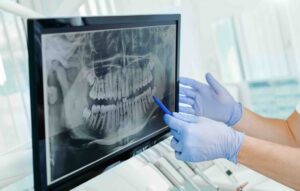
The signs of a true dental emergency are uncontrolled bleeding, facial swelling that affects breathing or swallowing, and facial-bone trauma that threatens the airway. Those cases need emergency medical care right away. Severe throbbing pain, a knocked-out tooth, a fractured tooth that hurts, and an abscess with localized swelling are urgent instead. That means a Ventura dentist should see you the same day or within a day. Lost restorations and mild sensitivity can usually wait.
Last Updated: October 26, 2026
Table of Contents
- What Counts as a True Dental Emergency?
- Warning Signs That Need Care the Same Day
- Signs That Are Urgent but Can Usually Wait a Day or Two
- Everyday Ventura Routines That Lead to Cracked and Knocked-Out Teeth
- Watch or Listen to This Ventura Dental Emergency Guide
- Getting Seen Quickly When Something Goes Wrong in Ventura
- Frequently Asked Questions
Most people searching for the signs of a dental emergency in Ventura at 9 p.m. are not trying to self-diagnose. They are trying to decide whether to call someone now or try to sleep through it.
That decision gets much easier once you know how dentists themselves sort these situations. There are four tiers, and the symptom you are looking at almost always lands cleanly in one of them.
At Avra Dental, we field these calls from Ventura patients regularly and talk people through where their symptom sits. Contact us today if you want a dentist to look at your situation.
What Counts as a True Dental Emergency?
The American Dental Association draws a hard line between a dental emergency and urgent dental care. A dental emergency is potentially life-threatening and needs immediate treatment to control bleeding, manage infection, or protect the airway.
Everything else that hurts badly falls under urgent care, which still needs prompt attention but is not a threat to your life. Knowing which side of that line you are on decides whether you call emergency dental care in Ventura or dial 911.
| Category | What It Looks Like | What to Do |
|---|---|---|
| Dental emergency | Bleeding that will not stop, spreading facial swelling affecting breathing or swallowing, trauma involving the facial bones that threatens the airway | Call 911 or go to the nearest emergency room |
| Urgent dental care | Severe throbbing pain, knocked-out tooth, fractured tooth with pain, abscess with localized swelling, dry socket | Call a dentist the same day |
| Prompt but not urgent | Lost filling or crown with no pain, chipped tooth with a rough edge, food packing between teeth | Book within a few days |
| Routine | Mild cold sensitivity, occasional gum tenderness, cosmetic concerns | Raise it at your next scheduled visit |
Warning Signs That Need Care the Same Day
Four warning signs should move your day around: facial swelling, pain that resists medication, a knocked-out tooth, and bleeding that will not stop. Two of them can escalate past a dental appointment into emergency care.
Our complete emergency dental guide covers what to do next, so this section focuses on recognizing them.
Swelling in the Face, Jaw, or Under the Eye
Localized swelling around a single tooth usually points to an abscess, and an abscess does not resolve on its own. What changes the urgency is direction of travel.
Sometimes swelling spreads toward the eye, under the jaw, or into the neck, or comes with fever, difficulty swallowing, or any tightness when you breathe. At that point, it is no longer a dental appointment.
That is an emergency room visit, immediately.
Pain That Wakes You Up or Does Not Respond to Medication
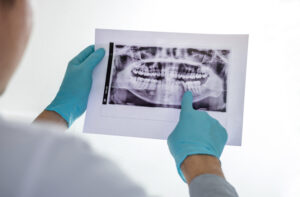
Throbbing that keeps you awake or shrugs off over-the-counter pain relief often indicates inflammation inside the tooth’s nerve. Pressure has nowhere to go once it builds inside a sealed root canal system. That is why this kind of pain rarely fades on its own.
Pain that spikes with heat is a particularly common pattern in these cases. It usually suggests the tooth needs treatment.
A Tooth That Has Been Knocked Out or Pushed Out of Position
A permanent tooth that has been avulsed is one of the few dental situations where minutes genuinely matter. The same applies to a tooth that has been driven up into the socket or shoved noticeably out of line after an impact.
Handle the tooth by the crown only, keep it moist, and call a dentist straight away. Loose adult teeth after any blow to the mouth belong in this same category even if nothing came out. Our guide to the first hour after a knocked-out tooth walks through each step.
Bleeding That Will Not Stop After Firm Pressure
Gum bleeding after brushing is a different conversation. Bleeding here refers to a laceration, a socket, or a wound that keeps refilling despite ten to fifteen minutes of steady pressure with clean gauze.
If it soaks through repeatedly, treat it as a medical emergency. Uncontrolled bleeding is on the American Dental Association’s short list of genuinely life-threatening dental situations.
Signs That Are Urgent but Can Usually Wait a Day or Two
Plenty of dental problems are real without being same-day. These are the ones where a call in the morning is the right response:
- A lost filling or crown with no pain: protect the tooth, avoid chewing on that side, and book promptly.
- A chipped tooth with a sharp edge: book promptly, especially if the edge is cutting your tongue or cheek.
- A broken denture or damaged retainer: stop wearing it and do not force the fit.
- Food consistently packing between two teeth: worth raising at a prompt visit.
A Cracked Tooth That Only Hurts When You Bite
Sharp pain on release when you bite down often points to a crack that has not yet reached the nerve. It is a real problem that tends to get worse, but it is not usually a middle-of-the-night situation.
Avoid chewing on that side and get it looked at within a few days. Cracks that are caught early are frequently restorable with a crown.
A Wisdom Tooth That Has Started Aching
Pressure, tenderness, or a flap of swollen gum over a partially erupted wisdom tooth is called pericoronitis. The American Dental Association classes third-molar pain as urgent dental care. Swelling that spreads toward your throat, trouble swallowing, or an inability to open your mouth makes it an emergency room visit.
Saltwater rinses and careful cleaning can settle a mild flare-up. Recurring episodes are the signal that the tooth needs a plan. That conversation often ends in a planned wisdom tooth extraction once the flare-up has settled.
Sensitivity That Has Turned Into a Constant Ache
Cold sensitivity that fades in seconds is normal for many people. Sensitivity that lingers for a minute or more after the stimulus is gone, or that has become a background ache, has changed character.
That shift is worth an appointment within the week. It is often the stage before the pain becomes the kind that keeps you awake. Our guide to severe toothache causes and relief covers what tends to sit behind it.
Everyday Ventura Routines That Lead to Cracked and Knocked-Out Teeth
Coastal Ventura life is hard on front teeth in ways people rarely plan for.
Surfing, skateboarding, cycling on the Ojai Valley Trail, and weekend sports leagues are all ordinary ways a chipped or knocked-out tooth happens here. A mouthguard is easy to skip when the outing feels casual. Our guide to outdoor dental injuries in Ventura covers prevention for surfers and cyclists.
Everyday habits add a second pattern. Chewing ice, biting into hard trail mix, and opening things with your teeth are all ways a molar can crack. Those cracks often stay quiet until a piece finally gives way.
The third pattern is timing. A symptom that starts before a weekend is the one people are most tempted to wait out. The safer habit is to call as soon as it moves up a tier.
Watch or Listen to This Ventura Dental Emergency Guide
Prefer to watch or listen? We cover the same warning signs in a short video and an audio version, so you can check them from your phone.
Getting Seen Quickly When Something Goes Wrong in Ventura
Sorting your symptom into the right tier is most of the battle, because the wrong call in either direction has a cost. Waiting on an abscess is risky, and driving to an emergency room for a lost filling wastes an evening.
At Avra Dental, same-day appointments are often available for urgent problems. Outside business hours, our main line carries triage guidance if you follow the prompts. Call (805) 941-1001 if a symptom has moved into the same-day column.
Medical Disclaimer: This article is for general informational purposes only and is not a substitute for professional dental or medical advice, diagnosis, or treatment. If you have uncontrolled bleeding, swelling that affects your breathing or swallowing, or a facial injury, get emergency medical help right away. Do not wait for a dental appointment.
Frequently Asked Questions
What is considered a dental emergency?
The American Dental Association defines a dental emergency as a potentially life-threatening situation needing immediate treatment. Examples include uncontrolled bleeding and a spreading soft-tissue infection with swelling that may affect the airway. Trauma involving the facial bones that may compromise the airway also counts. Severe pain, knocked-out teeth, and abscesses fall under urgent dental care, a separate category.
Should I go to the ER or a dentist for tooth pain?
Emergency rooms are the right choice for airway-threatening swelling, uncontrolled bleeding, or facial fractures, but they are not equipped to treat the tooth itself. For severe pain, an abscess with localized swelling, or a broken tooth, a dentist is usually the faster route to actual treatment.
How do I know if a tooth infection is spreading?
Warning signs that an infection is spreading include swelling that moves toward the eye, jaw, or neck. Others are fever, difficulty swallowing or breathing, and a general feeling of being unwell. Any of those signs calls for emergency medical care right away.
Our article on dental abscess treatment explains why the source of the infection still needs treating.
Is a knocked-out tooth always an emergency?
A knocked-out permanent tooth is time-sensitive and should be treated as urgent, because the chance of saving it drops quickly. Handle it by the crown, keep it moist, and contact a dentist immediately. A knocked-out baby tooth is generally not replanted but should still be checked.
Can a dental emergency wait until morning?
Some can and some cannot. Lost fillings, chipped edges, and mild sensitivity are safe to leave overnight, while spreading swelling, uncontrolled bleeding, and a knocked-out tooth are not. If a symptom is getting visibly worse hour by hour, do not wait.
What should I do for severe tooth pain at night?
Rinse with warm salt water, use over-the-counter pain relief as directed on the label, and hold a cold compress against the outside of your cheek. These steps manage the symptom only, so call a dentist as early as possible the next morning for actual treatment.
