
Key Takeaways: Making Your Informed Orthodontic Choice
- Invisalign offers a nearly invisible orthodontic solution with removable aligners, making it ideal for image-conscious patients and those prioritizing easier oral hygiene, while traditional braces provide comprehensive correction for complex cases with continuous force application.
- Treatment effectiveness depends on case complexity—Invisalign achieves approximately 88% effectiveness for appropriate cases, while traditional braces demonstrate 90% effectiveness across a wider range of orthodontic issues, particularly excelling at severe malocclusions.
- Invisalign typically requires fewer office visits (every 6-8 weeks) and shorter average treatment duration (12-18 months) compared to traditional braces (appointments every 4-6 weeks with 18-24 month average treatment time), though actual timelines vary based on individual case complexity.
Finding the Right Orthodontic Treatment at Avra Dental: Where Technology Meets Compassion
When considering orthodontic treatment to achieve that perfect smile, patients in Ventura face an important decision between Invisalign clear aligners and traditional braces. At Avra Dental, we understand this choice involves careful consideration of your unique dental needs, lifestyle preferences, and treatment goals. Dr. Tariq Jabaiti, a distinguished USC dental school faculty member, brings his academic expertise and clinical excellence to help guide you through this decision-making process.
The journey to straighter teeth is a personal one, requiring a treatment approach that aligns with your specific orthodontic needs while fitting seamlessly into your daily life. Whether you’re concerned about aesthetics, treatment duration, comfort, or effectiveness for complex dental issues, our team at Avra Dental provides the professional guidance and personalized care needed to make an informed choice.
Our state-of-the-art dental clinic in Ventura offers both Invisalign and traditional braces, ensuring that regardless of which orthodontic solution you choose, you’ll receive advanced care with the personal touch that distinguishes Avra Dental. Let’s explore the comprehensive comparison between these two popular orthodontic treatments to help you determine which option best suits your dental care needs and lifestyle preferences.
Understanding Invisalign: The Clear Alternative to Traditional Orthodontics
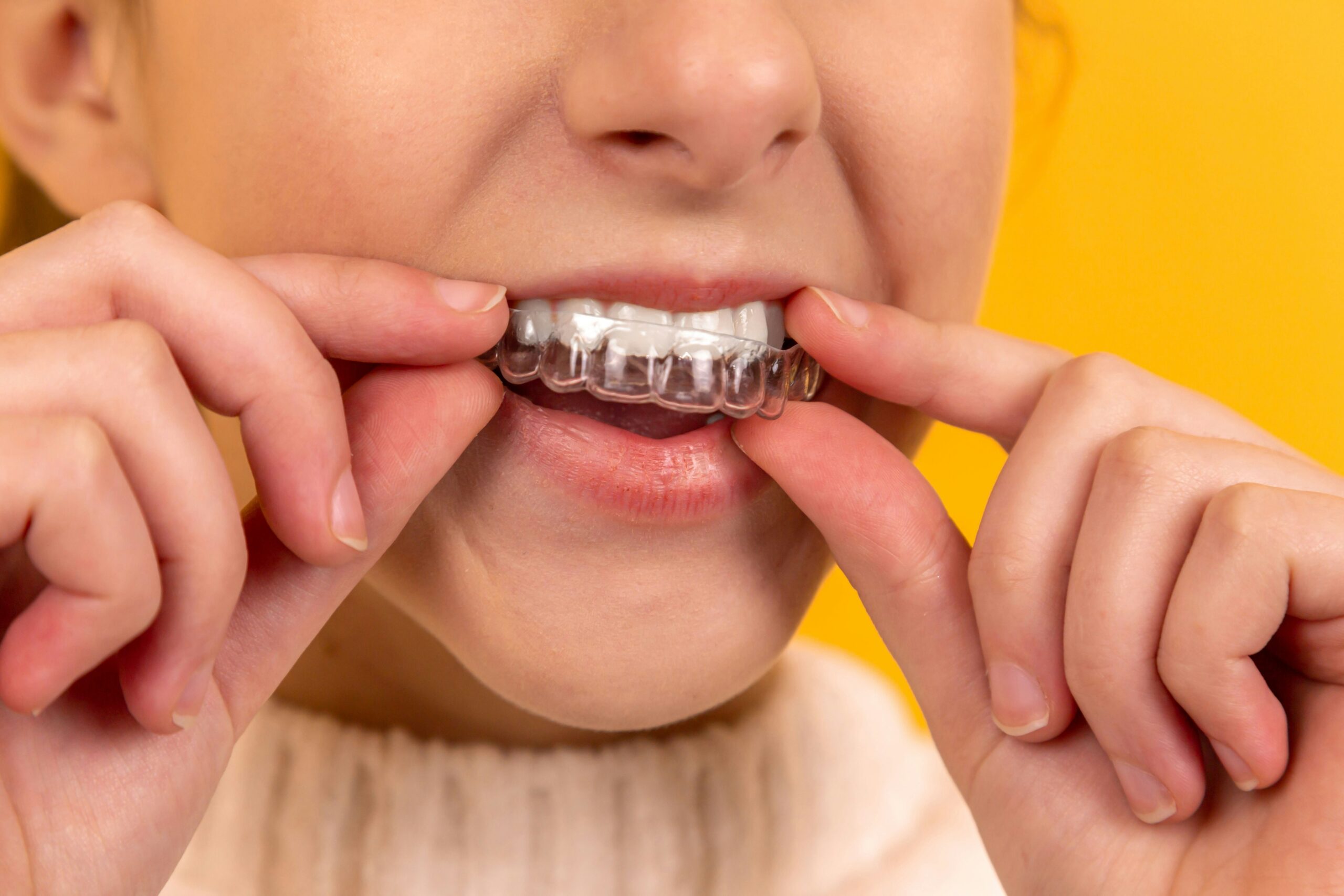
Invisalign represents a revolutionary approach to orthodontic treatment, offering patients a discreet alternative to traditional metal braces. This innovative dental care system uses a series of clear, removable aligners custom-designed for your unique dental structure. The transparent nature of these aligners makes them nearly invisible when worn, allowing patients to straighten their teeth without the noticeable appearance of metal brackets and wires. For many adults and teens in Ventura seeking orthodontic treatment, this aesthetic advantage makes Invisalign particularly appealing for professional and social settings.
The Invisalign treatment process begins with a comprehensive digital scan of your teeth at our dental clinic, eliminating the need for uncomfortable traditional impressions. Dr. Jabaiti uses advanced 3D imaging technology to create a precise treatment plan that maps out the exact movements of your teeth from their current position to the desired final alignment. This technology allows you to preview your expected results before even starting treatment, providing a clear vision of your future smile.
Each set of custom aligners applies gentle, controlled force to gradually shift your teeth into the proper position according to your personalized treatment plan. Patients typically wear each aligner set for about 1-2 weeks before progressing to the next in the series. This systematic approach ensures consistent progress toward your ideal smile while maintaining comfort throughout the treatment process.
Unlike traditional braces that remain fixed to your teeth, Invisalign aligners are removable for eating, drinking, brushing, and flossing. This removability offers significant advantages for oral hygiene, allowing you to maintain your regular cleaning routine without navigating around brackets and wires. Additionally, there are no dietary restrictions with Invisalign, as you simply remove the aligners before meals and snacks, then clean your teeth before reinserting them.
For optimal results, Invisalign aligners should be worn for 20-22 hours daily, requiring a commitment to consistent wear. This aspect of treatment places some responsibility on the patient, making Invisalign most suitable for disciplined individuals who will adhere to the recommended wear schedule. Regular check-ups at our Ventura dental office, typically every 6-8 weeks, allow Dr. Jabaiti to monitor your progress and provide new sets of aligners as needed.
The effectiveness of Invisalign for various orthodontic issues has expanded significantly since its introduction. While initially limited to simpler cases, technological advancements now enable Invisalign to address a wider range of dental concerns, including crowding, spacing, overbites, underbites, and crossbites. However, extremely complex orthodontic issues may still be better suited for traditional braces in some cases, which we’ll discuss in subsequent sections.
Traditional Braces: Time-Tested Orthodontic Treatment for Comprehensive Correction
Traditional braces remain a cornerstone of orthodontic treatment, offering reliable and effective solutions for a wide range of dental alignment issues. At Avra Dental in Ventura, we provide several types of traditional braces to meet diverse patient needs. Metal braces, the most common type, consist of stainless steel brackets bonded to the teeth and connected by archwires that guide tooth movement. For patients concerned about aesthetics, ceramic braces offer a more discreet option with tooth-colored or clear brackets that blend better with natural tooth color. Lingual braces provide another alternative, with brackets placed on the inner surface of teeth, making them virtually invisible from the outside.
The fundamental components of traditional braces include brackets, archwires, and elastic bands. Brackets serve as anchors attached to each tooth, while archwires connect these brackets and apply the necessary pressure to move teeth into proper alignment. Elastic bands, or ligatures, secure the archwire to the brackets and can come in various colors, allowing for personalization of your orthodontic treatment. For complex cases, additional components like springs, hooks, or headgear might be incorporated to address specific orthodontic challenges.
The treatment mechanism of traditional braces relies on consistent pressure applied to the teeth over time. As this pressure is maintained, the bone around your teeth gradually remodels, allowing teeth to shift into their proper positions. This biological process, known as bone remodeling, involves the breakdown of bone tissue on one side of the tooth and the formation of new bone on the opposite side, effectively creating space for the tooth to move into its desired position.
Dr. Jabaiti’s expertise as both a practicing dentist and USC faculty member ensures that patients at our dental clinic receive the most advanced and effective orthodontic care. His comprehensive approach to traditional braces treatment involves careful planning and regular adjustments to ensure optimal tooth movement and treatment progress. These adjustments, typically scheduled every 4-6 weeks, allow for tightening or modification of the braces’ components to continue guiding teeth along the prescribed treatment path.
Traditional braces have evolved significantly over the years, with modern brackets being smaller and more comfortable than their predecessors. The materials used in contemporary orthodontics are designed to minimize irritation to oral tissues while maximizing effectiveness. This evolution has made traditional braces a more comfortable experience than in previous generations, though they still require an adjustment period as your mouth adapts to their presence.
For patients with severe malocclusions, significant rotations, or substantial bite issues, traditional braces often provide the most comprehensive solution. The fixed nature of braces ensures continuous treatment progress without relying on patient compliance for wearing removable appliances. This makes traditional braces particularly suitable for younger patients or those who might struggle with the discipline required for removable aligners like Invisalign.
Comparing Comfort and Aesthetics: Finding Your Perfect Orthodontic Fit
When evaluating Invisalign and traditional braces, comfort and aesthetics often emerge as primary considerations for patients at our Ventura dental clinic. Invisalign clear aligners offer a nearly invisible orthodontic solution, making them highly appealing for image-conscious adults and teenagers. The transparent material blends seamlessly with your natural teeth, allowing you to maintain your confidence throughout treatment. Traditional braces, while more visible, have evolved to include less conspicuous options like ceramic brackets that match tooth color or lingual braces placed behind the teeth, providing alternatives for those concerned about appearance but requiring the effectiveness of fixed appliances.
The initial adjustment period differs significantly between these orthodontic treatments. Invisalign typically causes minimal discomfort, primarily characterized by pressure sensations when beginning a new aligner set. This discomfort generally subsides within a few days as teeth begin shifting. In contrast, traditional braces often involve a more pronounced adjustment period lasting 1-2 weeks, during which patients may experience soreness from brackets and wires contacting oral tissues. At Avra Dental, Dr. Jabaiti provides dental care strategies to minimize this discomfort, including dental wax for irritation points and guidance on appropriate pain management techniques.
Potential speech impacts also differ between these orthodontic options. Invisalign may cause a temporary lisp for some patients during the first 1-2 weeks as the tongue adjusts to the presence of the aligners. This adaptation period is typically short-lived, with most patients returning to normal speech patterns quickly. Traditional braces rarely affect speech significantly, though patients may need a brief adjustment to the feeling of brackets on their teeth. Our dental implant patients who later pursue orthodontic treatment often report that the adjustment to either option is manageable with proper guidance and support from our experienced team.
Daily comfort considerations extend beyond the initial adjustment period. Invisalign aligners feature smooth edges designed to minimize irritation to cheeks and gums, though some patients report dry mouth or increased thirst while wearing them. Traditional braces, despite modern design improvements, may occasionally cause lip or cheek irritation where brackets contact soft tissues. For active individuals, including those participating in contact sports, Invisalign offers an advantage by being removable for short periods or replaceable with a sports mouthguard, while traditional braces require special protective mouthguards to prevent damage to the orthodontic appliances and oral tissues.
The psychological comfort of orthodontic treatment also warrants consideration. Some patients report increased confidence with Invisalign due to its discreet appearance, particularly in professional settings or social situations. Others, especially younger patients, may embrace traditional braces as a customizable fashion statement through colored bands. At Avra Dental, we recognize that comfort extends beyond physical sensations to include how patients feel about their appearance during treatment, which is why we take time to discuss these aspects during consultations.
For patients with dental anxiety or sensitivity concerns, our compassionate approach ensures that regardless of which orthodontic solution you choose, your comfort remains a priority. Dr. Jabaiti’s extensive experience with both treatment modalities allows him to anticipate potential discomfort issues and proactively address them, creating a more pleasant orthodontic experience. Our team provides detailed care instructions and responsive support throughout your treatment journey, ensuring that any comfort concerns are promptly addressed with the personal touch that distinguishes our dental practice in Ventura.
Oral Hygiene and Maintenance: Keeping Your Smile Healthy During Treatment
Maintaining excellent oral health during orthodontic treatment is crucial for preventing complications and ensuring optimal results. With Invisalign, oral hygiene procedures remain relatively unchanged from your regular routine, offering a significant advantage for many patients. The removable nature of Invisalign aligners allows for normal brushing and flossing without navigating around fixed orthodontic hardware. Patients simply remove their aligners, perform their standard cleaning routine with regular dental care products, and then reinsert the aligners after cleaning them separately. This straightforward process helps prevent tooth decay and gum disease that can sometimes accompany orthodontic treatment when oral hygiene becomes challenging.
Traditional braces, while highly effective for tooth movement, create additional oral hygiene challenges. Brackets and wires create numerous places where food particles and plaque can accumulate, requiring more diligent and specialized cleaning techniques. Patients with traditional braces typically need to invest in orthodontic-specific tools such as interdental brushes, water flossers, and floss threaders to clean effectively around brackets and under wires. Dr. Jabaiti and our dental clinic team provide comprehensive instructions and demonstrations on proper cleaning techniques for patients with traditional braces, emphasizing the importance of thorough cleaning after every meal to prevent decalcification (white spots) on teeth and reduce the risk of gum inflammation.
The maintenance requirements for each orthodontic system extend beyond daily cleaning. Invisalign aligners need regular cleaning to prevent staining and odor development. We recommend cleaning aligners with specialized cleaning crystals or gentle, clear antibacterial soap rather than toothpaste, which can be abrasive and create microscopic scratches where bacteria can hide. Aligners should also be stored in their case when not in use to prevent loss or damage. For traditional braces, maintenance includes being mindful of dietary restrictions to prevent damage to the orthodontic appliances. Hard, sticky, or chewy foods can break brackets or bend wires, potentially extending treatment time and requiring emergency dental visits for repairs.
The impact of each treatment option on your regular dental cleaning schedule also differs. With Invisalign, professional dental cleanings proceed normally, as aligners are simply removed during the appointment. Patients with traditional braces may require longer, more involved professional cleanings to thoroughly remove plaque and tartar around orthodontic components. Our dental hygienists at Avra Dental are specially trained in cleaning techniques for patients with braces, ensuring that even hard-to-reach areas receive proper attention during your regular dental visits.
Patient compliance plays a significant role in the effectiveness of both orthodontic treatments, but in different ways. For Invisalign, compliance primarily involves wearing aligners for the recommended 20-22 hours daily and changing to new aligners on schedule. With traditional braces, compliance centers on following dietary guidelines, maintaining meticulous oral hygiene, and attending regular adjustment appointments. Our experience shows that patients who understand the importance of these compliance factors and commit to them achieve better outcomes with either treatment option.
For patients with specific oral health concerns, such as a history of gum disease or significant tooth decay, Dr. Jabaiti may recommend additional preventive measures during orthodontic treatment. These might include prescription-strength fluoride toothpaste, more frequent professional cleanings, or antimicrobial mouth rinses to help maintain optimal oral health throughout your orthodontic journey. At Avra Dental, we believe that preventive care during orthodontic treatment is essential for achieving not just straight teeth, but a healthy, beautiful smile that lasts long after your braces or aligners are removed.
Treatment Effectiveness and Duration: Achieving Your Ideal Smile
The effectiveness of orthodontic treatment varies based on the complexity of your dental issues and the chosen treatment method. Traditional braces have long been the gold standard for addressing severe orthodontic problems, demonstrating approximately 90% effectiveness for comprehensive corrections according to clinical research. These fixed appliances excel at treating complex malocclusions, significant rotations, and substantial bite discrepancies that require precise, controlled tooth movement. At Avra Dental, Dr. Jabaiti leverages his faculty expertise from USC dental school to employ advanced bracket systems and wire technologies that maximize treatment efficiency while minimizing discomfort.
Invisalign technology has evolved significantly, now achieving an impressive 88% effectiveness rate for appropriate cases. The introduction of SmartForce features, precision cuts, and specialized attachments has expanded Invisalign’s capability to address more complex orthodontic issues than ever before. These innovations allow for more predictable tooth movement, including rotations and vertical adjustments that were once considered beyond the scope of clear aligner therapy. However, there remain certain orthodontic situations where traditional braces maintain a distinct advantage, particularly for severe bite corrections requiring elastic bands or significant dental extrusions.
Treatment duration represents a key consideration for many patients seeking orthodontic care. On average, Invisalign treatment typically requires 12-18 months for completion, compared to 18-24 months for traditional braces. This difference stems partly from Invisalign’s focus on treating mild to moderate cases and partly from the precise, computer-engineered movement sequences that optimize each stage of treatment. However, treatment timelines vary significantly based on individual factors, including case complexity, patient compliance, and biological response to tooth movement. During your consultation at our dental clinic in Ventura, Dr. Jabaiti provides personalized treatment time estimates based on a comprehensive examination and digital treatment planning.
The frequency of appointments differs between these orthodontic options, impacting your schedule and convenience. Traditional braces typically require adjustment appointments every 4-6 weeks to tighten wires, replace elastics, and monitor progress. These appointments are essential for maintaining treatment momentum and addressing any issues with the appliance. Invisalign patients generally visit our office less frequently, approximately every 6-8 weeks, primarily to receive new sets of aligners and confirm that tooth movement is proceeding according to plan. For busy professionals and students in Ventura, this reduced appointment frequency can be a significant advantage of clear aligner therapy.
Patient compliance plays a crucial role in treatment effectiveness and duration for both options. With traditional braces, compliance mainly involves maintaining excellent oral hygiene and following dietary restrictions to prevent damage to the appliance. For Invisalign, the removable nature of the aligners introduces an additional compliance factor—wearing the aligners for the recommended 20-22 hours daily. Insufficient wear time can significantly extend treatment duration or compromise results. Our dental care team provides supportive guidance and monitoring to help patients maintain optimal compliance regardless of their chosen treatment path.
For patients with specific time constraints or important upcoming events, accelerated treatment options may be available. Techniques such as micro-osteoperforation or vibration therapy can potentially reduce treatment time by stimulating cellular activity and accelerating bone remodeling. Dr. Jabaiti evaluates each patient’s suitability for these acceleration methods based on their specific orthodontic needs and overall oral health. At Avra Dental, we recognize that achieving your ideal smile involves not just the final result but also optimizing the journey to get there, which is why we offer comprehensive options to enhance treatment efficiency while maintaining the highest standards of care.
Cost Considerations and Insurance Coverage: Investing in Your Smile
Understanding the financial aspects of orthodontic treatment is essential for making an informed decision between Invisalign and traditional braces. At Avra Dental in Ventura, we believe in transparent pricing and helping patients navigate the financial considerations of their dental care. The cost of traditional braces typically ranges from $3,000 to $7,000, depending on case complexity and treatment duration. Metal braces generally represent the most economical option, while aesthetic alternatives like ceramic braces may command a premium of $1,000-$2,000 above standard metal appliances. These costs encompass all aspects of treatment, including the initial examination, appliance placement, adjustment appointments, and basic retainers following active treatment.
Invisalign treatment costs generally fall between $3,500 and $8,000, with pricing influenced by the number of aligners needed and case complexity. While Invisalign may carry a slightly higher average cost than traditional braces, many patients find the aesthetic and lifestyle benefits justify this difference. It’s important to note that very complex cases requiring extensive Invisalign treatment may reach the higher end of this price spectrum, as they require more aligners and potentially more refinements to achieve optimal results. During your consultation at our dental clinic, Dr. Jabaiti provides a detailed cost estimate based on your specific orthodontic needs and treatment goals.
Insurance coverage for orthodontic treatment varies significantly between providers and plans. Many dental insurance policies that include orthodontic benefits typically cover both traditional braces and Invisalign, though coverage amounts generally range from 25% to 50% of treatment costs, with lifetime maximums often between $1,000 and $3,000. Some insurance plans may impose age restrictions or limit coverage to cases deemed medically necessary rather than cosmetic. Our experienced administrative team at Avra Dental works closely with patients to verify insurance coverage, explain benefits, and maximize available insurance contributions toward your orthodontic treatment.
For patients without orthodontic insurance coverage or those with significant out-of-pocket expenses, we offer several financial solutions to make treatment more accessible. Flexible payment plans allow you to distribute the cost of treatment over time, typically without interest when paid within the treatment period. Health Savings Accounts (HSAs) and Flexible Spending Accounts (FSAs) provide tax advantages when used for qualified medical expenses, including orthodontic treatment. Additionally, third-party financing options like CareCredit offer extended payment terms for larger orthodontic investments, often with promotional interest rates for qualified applicants.
When evaluating the long-term value of your orthodontic investment, consider factors beyond the initial price tag. Potential repair costs differ between treatment options—traditional braces occasionally require emergency visits for broken brackets or poking wires, while Invisalign may involve replacement fees for lost or damaged aligners (typically $50-$100 per aligner). Additionally, the value of your time should factor into your decision, as Invisalign generally requires fewer and shorter office visits compared to traditional braces, potentially reducing time away from work or school for appointments.
At Avra Dental, we recognize that orthodontic treatment represents a significant investment in your oral health and self-confidence. Dr. Jabaiti and our team are committed to helping you find the orthodontic solution that balances your clinical needs, lifestyle preferences, and financial considerations. During your consultation, we provide comprehensive information about all costs associated with each treatment option, ensuring you can make a financially informed decision about your orthodontic care. Our goal is to make quality orthodontic treatment accessible to all our patients in Ventura and surrounding communities through transparent pricing and flexible financial arrangements.
Making Your Decision: Personalized Factors to Consider
Selecting between Invisalign and traditional braces involves weighing multiple personal factors beyond the clinical aspects of each treatment. Your lifestyle and daily activities significantly influence which orthodontic option might best suit your needs. For professionals with client-facing roles or individuals who frequently speak in public settings, Invisalign’s discreet appearance often proves advantageous. Athletes, particularly those participating in contact sports, may find Invisalign’s removability beneficial for wearing protective mouthguards during competition. Conversely, individuals with demanding schedules who might struggle to maintain the discipline of wearing removable aligners for 20-22 hours daily might achieve more predictable results with traditional braces, which work continuously without requiring patient compliance for wear time.
Age considerations also play a role in treatment selection. While both options are effective for patients of various ages, teenagers with still-developing jaws sometimes benefit from the continuous force application of traditional braces, especially for complex growth modification. Younger patients may also face challenges with the responsibility of maintaining and not losing removable Invisalign aligners. For adult patients, particularly those in professional environments, the aesthetic advantages of Invisalign often outweigh other considerations. At Avra Dental, Dr. Jabaiti evaluates each patient’s unique circumstances, including age-related factors, to recommend the most appropriate treatment approach.
The severity and type of your orthodontic issues fundamentally influence treatment recommendations. While Invisalign technology has advanced significantly, traditional braces remain superior for certain complex corrections. Severe rotations exceeding 20 degrees, significant bite discrepancies requiring elastic bands, and substantial vertical movements like extrusion of teeth respond more predictably to traditional braces. Conversely, mild to moderate crowding, spacing issues, and simpler bite corrections can be effectively addressed with Invisalign. During your consultation at our dental clinic in Ventura, Dr. Jabaiti conducts a comprehensive assessment to determine whether your specific orthodontic needs align better with the capabilities of Invisalign or traditional braces.
Financial considerations extend beyond basic treatment costs to include your personal budget constraints and payment preferences. Some patients prioritize minimizing monthly payments through extended financing options, while others prefer to utilize health savings accounts or flexible spending accounts for tax advantages. Our administrative team at Avra Dental works individually with patients to develop financial arrangements that accommodate their specific budgetary needs and preferences, ensuring that financial concerns don’t become barriers to achieving optimal dental health and aesthetics.
Your orthodontist’s experience and recommendation should carry significant weight in your decision-making process. As both a practicing dentist and USC faculty member, Dr. Jabaiti brings exceptional expertise in both traditional orthodontics and Invisalign treatment. His academic background ensures he remains current with the latest advancements in orthodontic techniques and technologies. During your consultation, Dr. Jabaiti provides personalized recommendations based on his comprehensive evaluation of your specific case, considering all relevant clinical factors while respecting your preferences and priorities.
Personal aesthetic preferences ultimately represent a legitimate factor in treatment selection. While clinical considerations are paramount, your comfort and confidence during treatment matter significantly. Some patients strongly prefer the nearly invisible nature of Invisalign, while others are less concerned about appliance visibility or may even embrace the customizable color options available with traditional braces. At Avra Dental, we believe in a patient-centered approach that balances clinical excellence with personal preferences, creating a treatment experience that respects both your dental needs and your comfort with the appearance of your orthodontic appliance throughout treatment.
Frequently Asked Questions About Invisalign vs. Traditional Braces
How do Invisalign and traditional braces compare in terms of pain and discomfort?
Both orthodontic treatments involve some discomfort, though the experience differs between options. Invisalign typically causes mild pressure sensations when beginning a new aligner set, generally subsiding within 2-3 days. This discomfort is often described as a feeling of tightness rather than sharp pain. Traditional braces may cause more noticeable soreness during the initial placement and following adjustment appointments, potentially lasting 4-7 days as the mouth adapts to the brackets and wires. Some patients report that traditional braces can occasionally irritate the cheeks and lips, though dental wax effectively minimizes this issue. Overall, while neither treatment is completely pain-free, most patients find the discomfort manageable with over-the-counter pain relievers and typically describe it as pressure rather than acute pain. At Avra Dental, Dr. Jabaiti provides specific comfort recommendations based on your chosen treatment and individual pain sensitivity.
Can Invisalign effectively treat the same orthodontic issues as traditional braces?
Invisalign technology has evolved significantly, now addressing many of the same orthodontic issues as traditional braces, though important limitations remain. For mild to moderate cases involving crowding, spacing, and simple bite corrections, Invisalign demonstrates comparable effectiveness to traditional braces, with success rates around 88-90%. However, traditional braces maintain advantages for severe malocclusions, significant rotations exceeding 20 degrees, substantial vertical movements like extrusion, and cases requiring complex tooth movements with elastic bands. The fixed nature of traditional braces ensures continuous force application regardless of patient compliance, making them more predictable for complex corrections. During your consultation at our dental clinic in Ventura, Dr. Jabaiti evaluates your specific orthodontic needs to determine whether your case falls within Invisalign’s treatment capabilities or would benefit from the comprehensive control offered by traditional braces.
How does the total treatment cost compare between Invisalign and traditional braces when factoring in insurance coverage?
The total out-of-pocket cost comparison between these orthodontic options depends significantly on your specific insurance coverage and treatment requirements. Traditional braces typically range from $3,000-$7,000, while Invisalign generally costs between $3,500-$8,000 before insurance. Most dental insurance plans with orthodontic benefits cover both treatment options at similar percentages, typically 25-50% up to lifetime maximums between $1,000-$3,000. However, some insurance plans may impose different coverage levels or additional requirements for Invisalign compared to traditional braces. When calculating total costs, consider potential additional expenses like replacement fees for lost Invisalign aligners or emergency visits for broken braces components. At Avra Dental, our administrative team provides detailed cost comparisons based on your specific insurance coverage and treatment plan, helping you understand the complete financial picture for each option.
What lifestyle adjustments should I expect with each orthodontic treatment option?
Invisalign and traditional braces require different lifestyle adaptations throughout treatment. With Invisalign, you’ll need to remove aligners before eating or drinking anything besides water, then brush your teeth before reinserting them. This necessitates carrying a dental care kit when eating away from home and being mindful of the 20-22-hour daily wear requirement. Social situations involving extended meals may require planning to maintain adequate wear time. Traditional braces involve dietary modifications to avoid damaging the appliance, including avoiding hard, sticky, and chewy foods. Oral hygiene becomes more time-consuming with traditional braces, requiring special tools and techniques to clean effectively around brackets and wires. For active individuals, traditional braces may require wearing specialized mouthguards during sports to protect both the appliance and oral tissues. Dr. Jabaiti discusses these lifestyle considerations during consultations to help patients choose the option that best aligns with their daily routines and preferences.
How do retention requirements differ after completing Invisalign versus traditional braces treatment?
Retention protocols following orthodontic treatment are essential regardless of which treatment method you choose, though specific approaches may vary. After Invisalign treatment, many patients transition to wearing their final aligner set as initial retainers before receiving custom-made retainers. Following traditional braces, patients typically receive either removable retainers (similar to Invisalign aligners but more durable) or fixed lingual retainers bonded to the back of the teeth. For both treatment types, initial retention typically involves wearing retainers full-time for several months, gradually transitioning to nighttime-only wear. Long-term retention requirements remain similar regardless of initial treatment method, with most orthodontists recommending indefinite nighttime retainer wear to maintain results. At Avra Dental, Dr. Jabaiti develops personalized retention protocols based on your specific case, treatment history, and risk factors for relapse, ensuring your investment in orthodontic treatment yields lasting results.
Can adults achieve the same results with Invisalign as younger patients, or are traditional braces more effective for older patients?
Adult patients can achieve excellent results with both Invisalign and traditional braces, though treatment considerations differ somewhat from those for younger patients. The primary distinction in adult orthodontics relates to the completion of jaw growth rather than age itself. Without active growth to leverage, some complex bite corrections may require longer treatment times regardless of the chosen method. Invisalign has proven particularly popular and effective among adult patients, with studies showing comparable success rates to those achieved in younger populations for appropriate cases. Some adults may have additional considerations like existing dental work (crowns, bridges), periodontal issues, or worn teeth that influence treatment recommendations. During your consultation at our Ventura dental clinic, Dr. Jabaiti evaluates these adult-specific factors to determine whether Invisalign or traditional braces would provide optimal results for your unique situation, considering both clinical outcomes and lifestyle preferences.
What are the key factors to consider when deciding between Invisalign and traditional braces?
When making this important decision, consider several key factors: treatment effectiveness for your specific orthodontic issues, visibility preferences, lifestyle compatibility, comfort priorities, oral hygiene habits, treatment duration expectations, budget constraints, and insurance coverage. The severity and type of your dental misalignment fundamentally influence which treatment can most effectively address your needs. Your personal comfort with the appearance of orthodontic appliances and how they might affect your confidence in professional or social settings matters significantly. Evaluate how each option would integrate with your daily routines, including eating habits, oral hygiene practices, and activity level. Consider your ability to comply with the specific requirements of each treatment, particularly Invisalign’s wear time demands. Finally, weigh financial considerations, including initial costs, potential additional expenses, and insurance coverage. At Avra Dental, Dr. Jabaiti guides patients through this decision-making process, providing expert recommendations while respecting personal preferences and priorities.